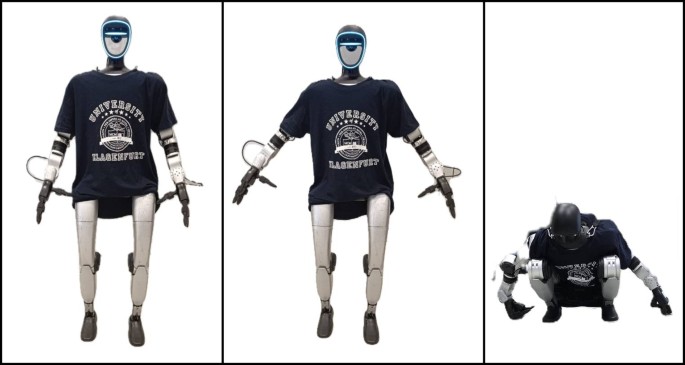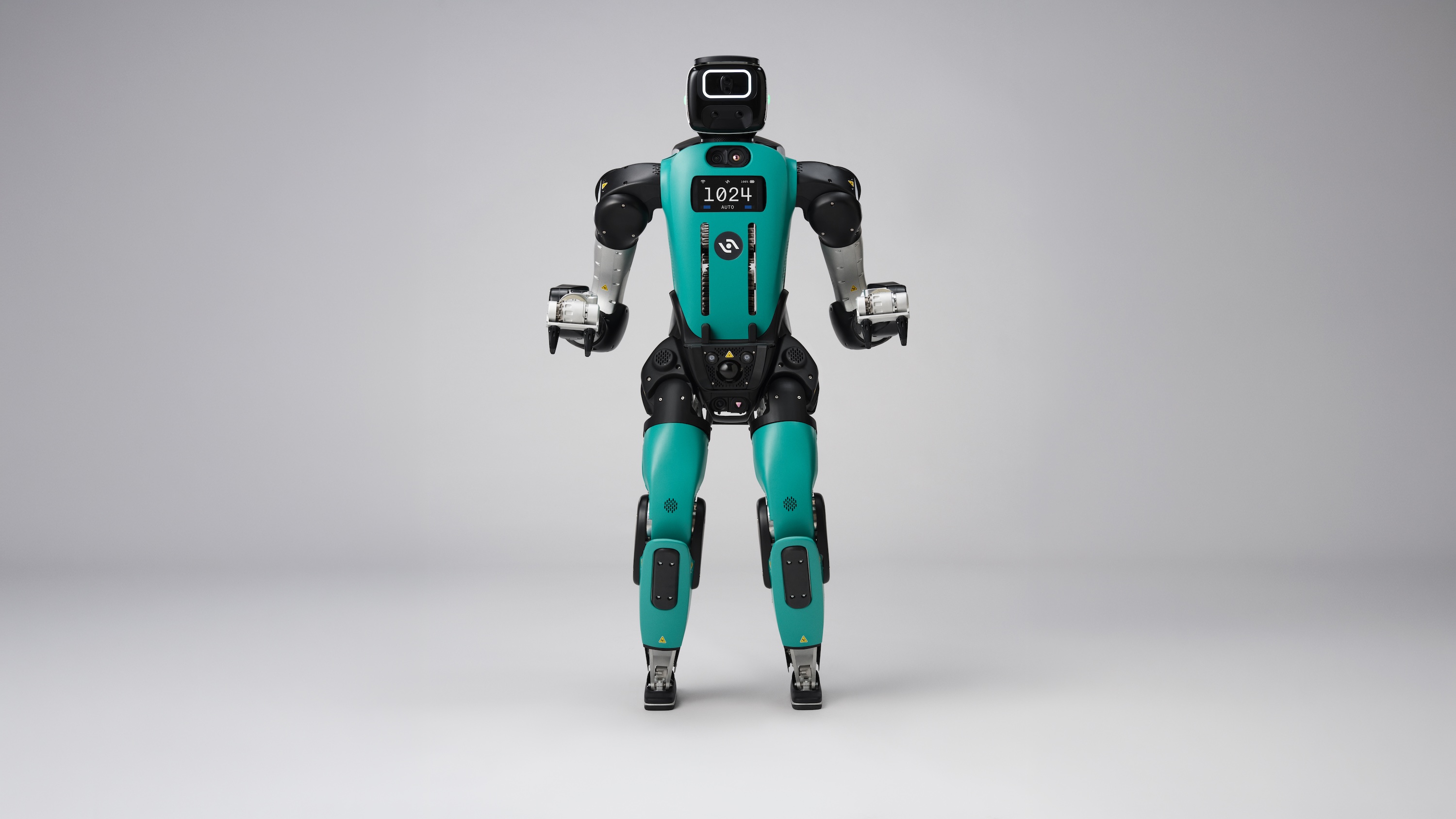
A robot that can walk to a work area is not automatically a cheaper way to perform the work there. A purchase decision has to compare the complete task against the alternatives, including the infrastructure each one needs.
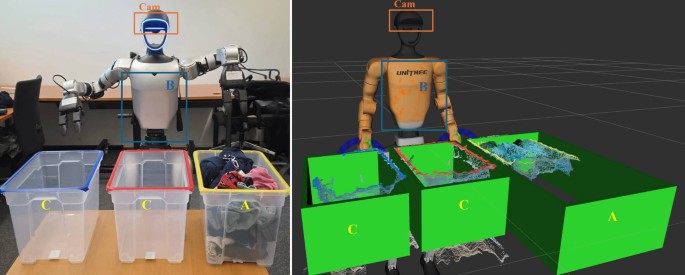
An October 6 study by researchers at the University of Klagenfurt and Joanneum Research uses textile sorting to make that comparison concrete. It examines a humanoid with onboard sensing alongside a fixed-arm workcell with external cameras. The paper considers reach, deployment flexibility, manipulation, reliability and safety. Study.
A garment is a demanding unit of work
Sorting is more than picking up fabric. A system must identify an item in a mixed heap, obtain a stable grasp, inspect it and place it in the right destination. Failure at any stage can consume another attempt or require a person to intervene.
The paper identifies perception, grasp stability and whole-body planning as continuing bottlenecks. It is a comparison and research account, not a controlled demonstration that one configuration has lower cost per sorted garment. The authors also acknowledge relying substantially on manufacturer material where independent evidence is limited. Evidence and limitations.
Flexibility has to repay its support burden
Mobility could save changes to a facility, while a fixed arm may simplify balance and control. Which advantage matters depends on the work and how often it changes. Neither a humanoid’s purchase price nor its number of joints settles that tradeoff.
The useful next comparison would hold garment mix and acceptance criteria constant, then report completed sorts, interventions, downtime and setup labor. If flexibility reduces those combined costs across changing tasks, the humanoid case strengthens. Until then, the workflow comparison is a way to organize procurement evidence, not a measured payback claim.
Source figure reproduced unchanged under CC BY 4.0.
Sources & evidence
Sources describe the announcements and evidence available when this analysis was published. Company claims are attributed; plans and trials are not treated as sustained operation.