Tesollo’s ROBOTWORLD program offers a useful way to judge humanoid hands without treating every movement as evidence of autonomous skill. A mechanism’s range of motion matters. So does the source of its commands, the task it performs and the conditions under which it can repeat the result.
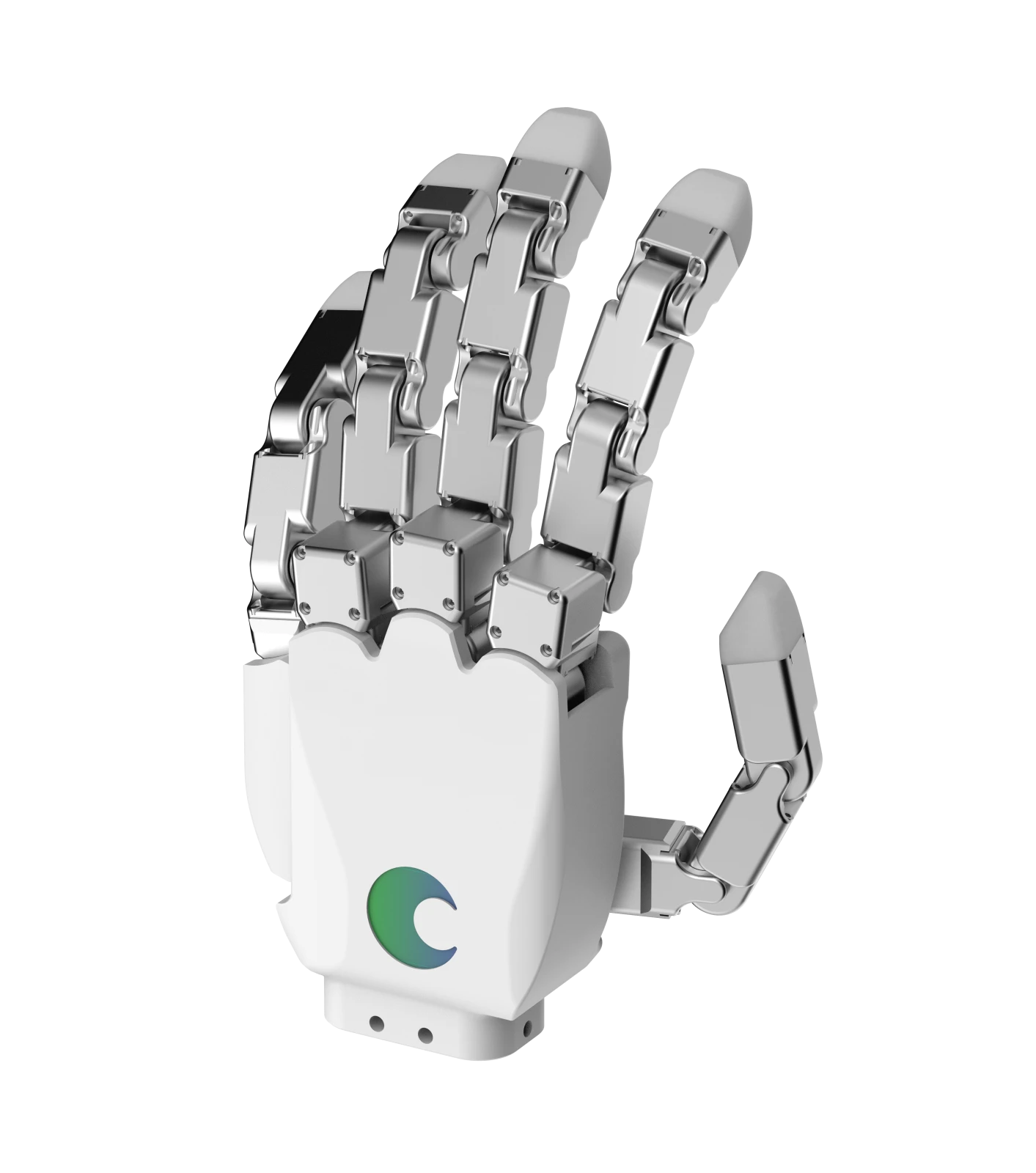
In its November 3 notice for the November 4–7 exhibition, Tesollo described demonstrations spanning articulated grippers and humanoid hands. Its DG-5F-S program included repeated finger motion with both 20- and 15-degree-of-freedom models. The company also announced a ROBOTWORLD distinction for the compact hand. These are an exhibition program and award, rather than a new claim of autonomous deployment.
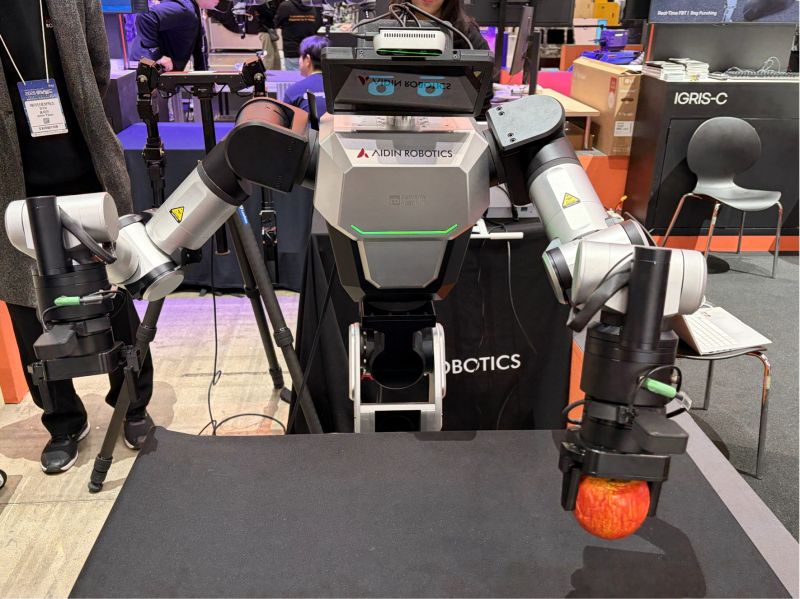
The larger DG-5F-M had a different role: bimanual teleoperation, with a person’s two-handed movements transferred to robot hands. Other grippers were assigned picking, bin-picking and sorting demonstrations. Keeping those modes separate makes the program more informative than a single montage of moving fingers.
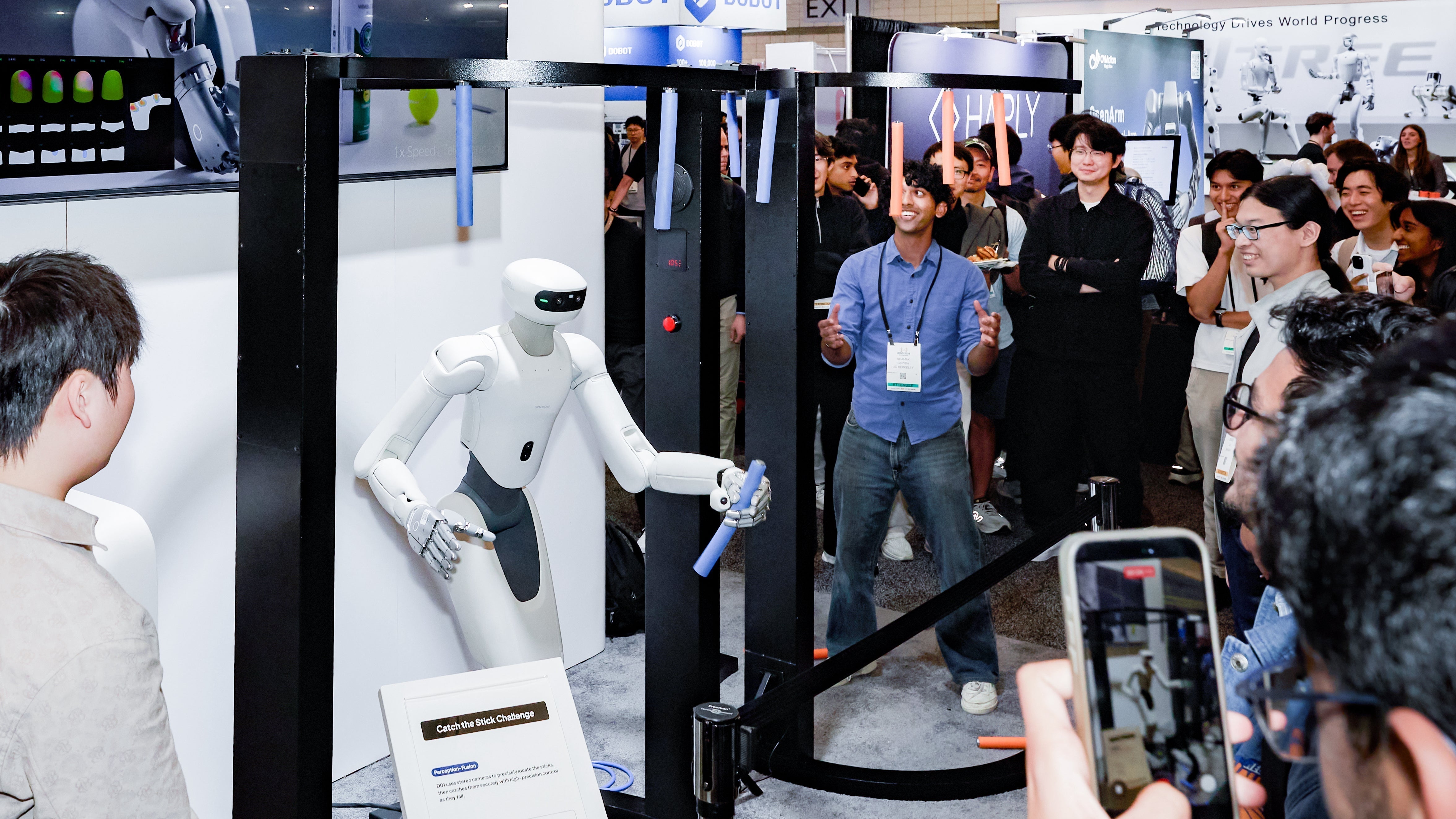
For a humanoid integrator, a motion demonstration can help expose reach, articulation and interference between fingers. It does not establish whether the complete robot can identify an unfamiliar object, choose a contact or recover after a slip. A teleoperation demonstration can reveal useful manipulation capability while leaving autonomous perception and action selection unresolved.
The strongest counterargument is that human control is itself a practical operating mode. That is correct. Remote assistance may be an appropriate way to complete a difficult task, train a system or handle an exception. Its value should be assessed through operator workload, latency and the consequences of losing the connection, rather than discounted because a person participates.
A purchasing evaluation should therefore preserve the command mode in every result. Teams can measure successful cycles, object damage and recovery effort on the intended task, then record when an operator intervened. Tests should include changes in object placement and contact conditions. Those details help distinguish a capable component from a dependable integrated process.
Near term, Tesollo’s exhibition gives buyers several distinct interfaces to examine. Longer term, the commercial opportunity lies in matching a hand and its control system to repeatable work. More articulated motion can expand what is possible, but reliable dexterity is established by the complete task and its documented operating limits.
Sources & evidence
Sources describe the announcements and evidence available when this analysis was published. Company claims are attributed; plans and trials are not treated as sustained operation.