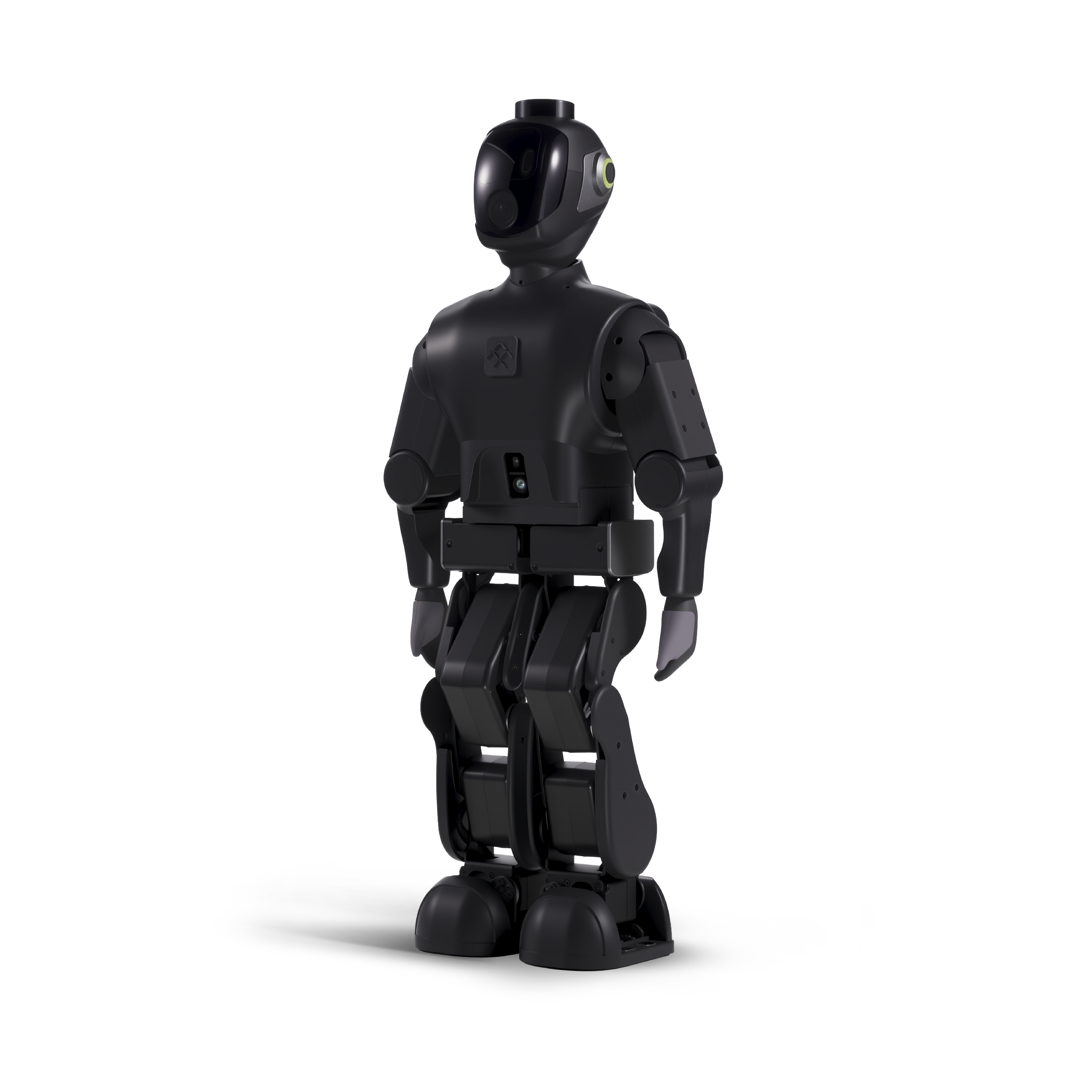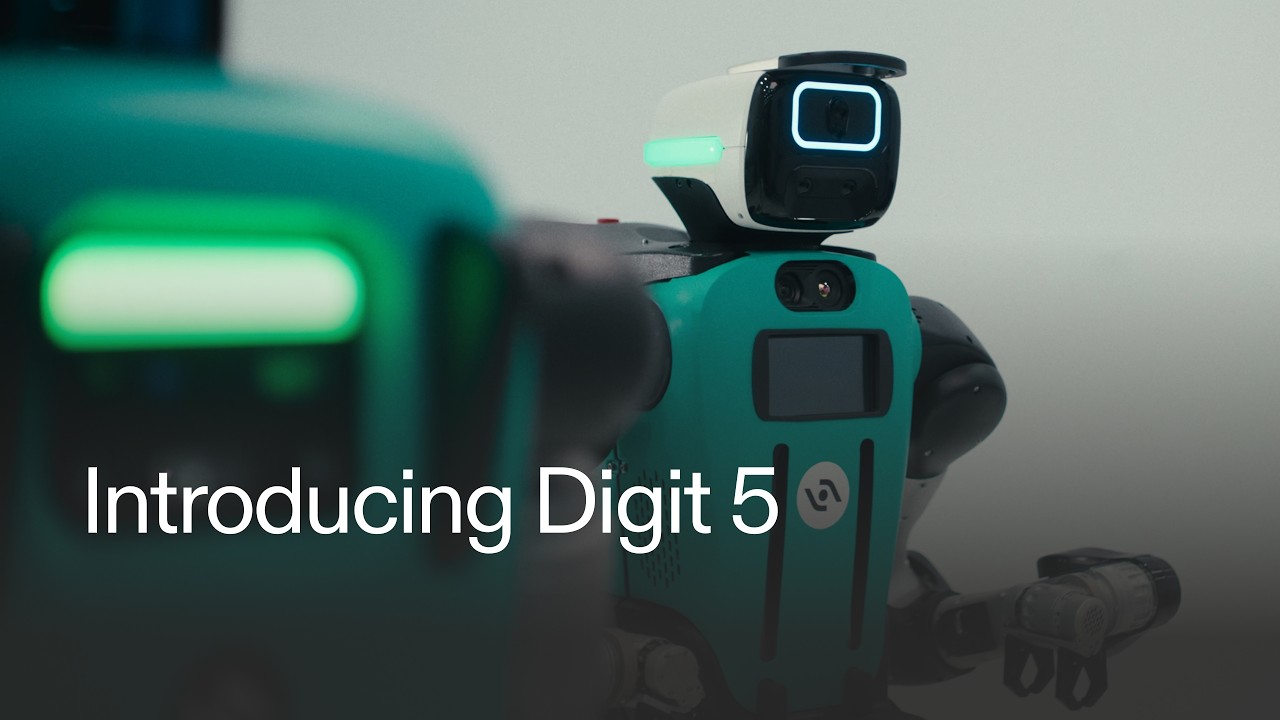
A robot assembled from capable components still needs a safety case for the complete system. Synapticon and Reynolds & Moore announced an October 1 partnership combining motion-control and functional-safety technology with safety-engineering services for humanoid and mobile-robot developers.
Current impact
The company announcement identifies servo drives, joint actuators and the POSITRON Safety AI platform alongside engineering support. The immediate benefit is a more connected route from component design to the evidence needed for system assessment. Partnership status is not certification of a finished humanoid.
Potential greater impact
If the work reduces gaps between hardware capabilities, operating assumptions and verification, developers could reach deployable systems with less rework. Greater adoption would still depend on the robot’s task, environment, human interaction and maintenance process, not simply its choice of supplier.
What would establish progress
Look for defined system boundaries, independently assessed implementations and documented failure behavior. Motion limits and human detection must be evaluated together with the application. The economic value of safety engineering lies partly in avoiding late redesigns; it should never be presented as permission to operate outside the conditions actually assessed.
Image: Synapticon / official announcement. Used for source-attributed editorial reporting; rights remain with the owner.
Sources & evidence
Sources describe the announcements and evidence available when this analysis was published. Company claims are attributed; plans and trials are not treated as sustained operation.