ID Logistics has put a useful intermediate milestone in front of its humanoid ambitions. Its partnership with Terra Robotics moves the discussion toward a defined warehouse task and a real operating site. That is a meaningful step because the strongest test of a logistics robot is the work the customer can accept repeatedly.
The agreement took effect on November 1. In a release listed on its website on November 4, ID Logistics says the partners plan a first German site pilot within six months. They will identify four or five possible applications, define their requirements and select the task and robot. The operating pilot is therefore a future milestone.
The partners have already worked with two Unitree G1 EDU6 robots on the same sorting process. According to the release, the robots distinguish cartons from mailer bags and place them in shipping boxes using tactile hands. This is evidence of a demonstrated task under the partners’ test conditions. It leaves the conditions of an ordinary operating shift to be established.
The decision to select the application before committing to the pilot machine is sensible. A warehouse buys a reliable flow of completed work. Reach, packaging variation, throughput and the handoff to other equipment can make one apparently simple task substantially harder than another. Selecting a familiar demonstration first and searching for a business case later reverses that order.
The strongest objection is that a narrow pilot can still be optimized around favorable conditions. A predictable stream of clean cartons may provide little information about damaged packaging, unusual bags or an interrupted handoff. The acceptance criteria will matter as much as the location. They should make assistance and recovery visible in the operating result.
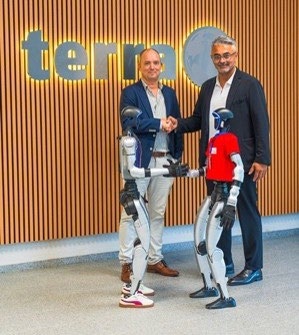
In the near term, the evidence to watch is the selected task, its normal variation and the test’s handling of exceptions. The release’s partnership photograph shows the companies and their robots. It records the collaboration stage, while performance evidence must come from the work itself.
Longer term, a successful trial could give the partners a repeatable way to qualify other applications. That depends on transferring task knowledge and support requirements beyond a single prepared installation. ID Logistics has chosen a credible next step. The pilot becomes commercially persuasive when useful completed work remains reliable across an ordinary shift.
Sources & evidence
Sources describe the announcements and evidence available when this analysis was published. Company claims are attributed; plans and trials are not treated as sustained operation.