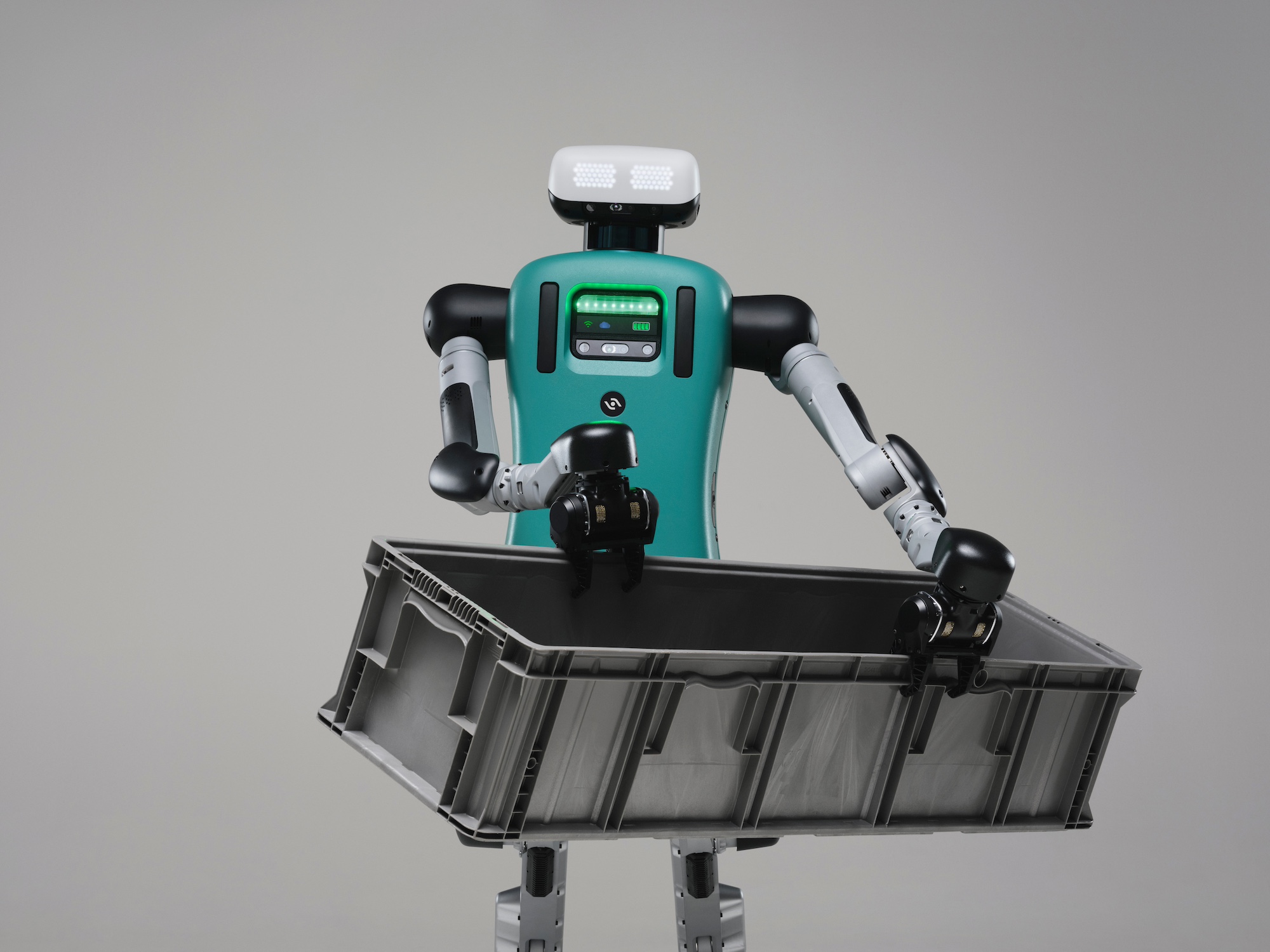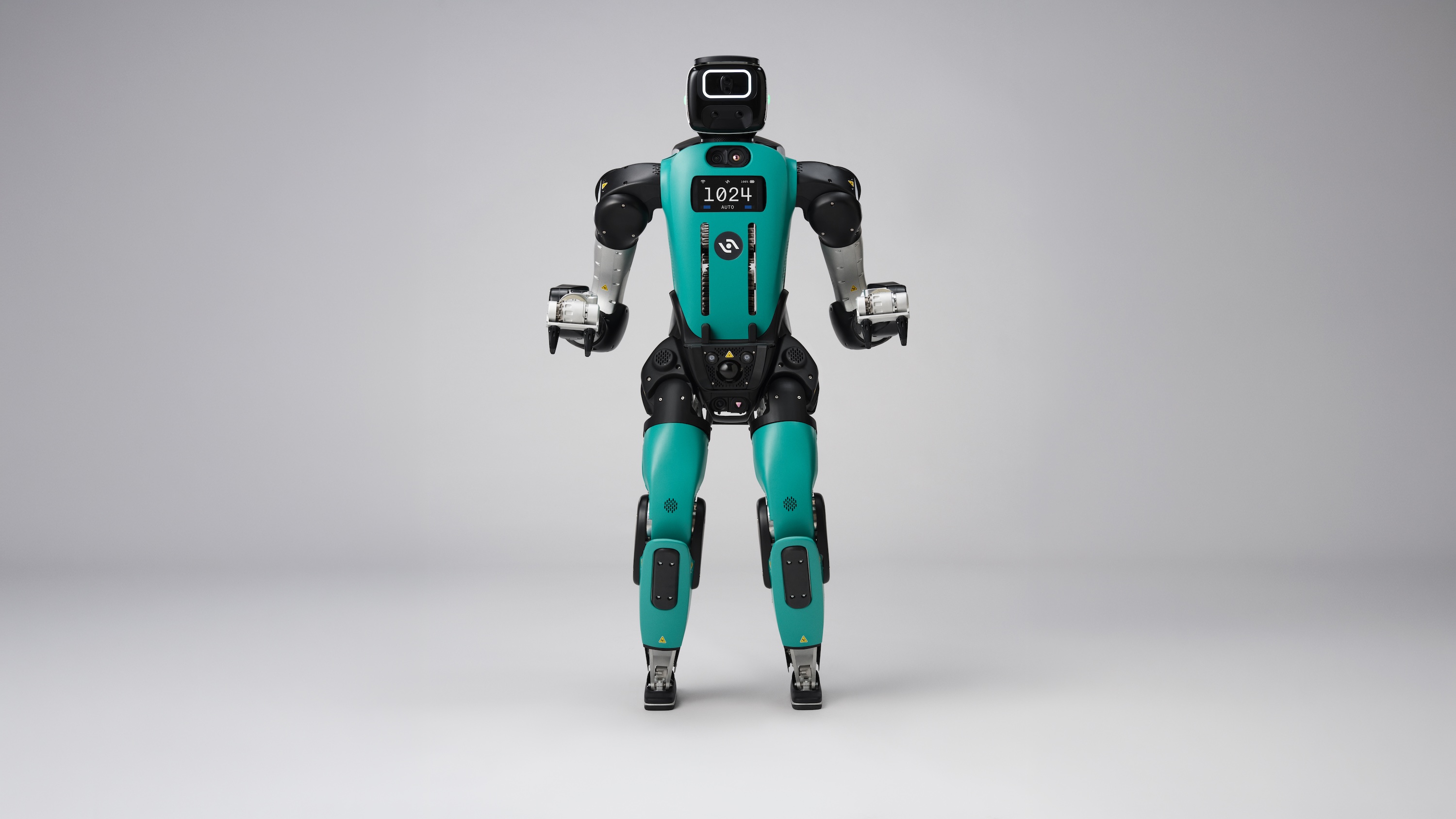
A humanoid’s deployment depends on people and equipment that rarely appear in a task demonstration: machining, assembly, diagnosis, spare parts and repair. A machine that performs well once still needs that support system to remain useful.
Boston Dynamics’ October 14 film, Machine, Assemble, Repair: How We Build Atlas, shows its prototype operations and in-house machine shop. Staff describe a close connection between design, manufacturing and support. This is a company-produced account of prototype operations, not an independent factory audit. Official source video.
Assembly time is not deployment scale
A speaker says building one robot takes about a day and sets an ambition of about an hour next year. The film does not define that measure as total labor, elapsed lead time or factory throughput, and it does not report accepted customer units. The future target should not be presented as achieved output.
The more immediate evidence is the organization of work: machining and prototype assembly sit near the engineers who can change a design and inspect the resulting hardware. That can shorten feedback, but the film does not quantify field repair time or the size of a support network.
The next test happens away from the prototype floor
For prospective users, the useful question is how this capability translates into service: which repairs can be completed on site, what parts are stocked, and how quickly a robot returns to productive work.
If design and repair feedback reduce recurring failures, faster assembly can support a more dependable fleet. Customer operating records, acceptance yields and documented repair times would establish that connection more convincingly than assembly targets alone.
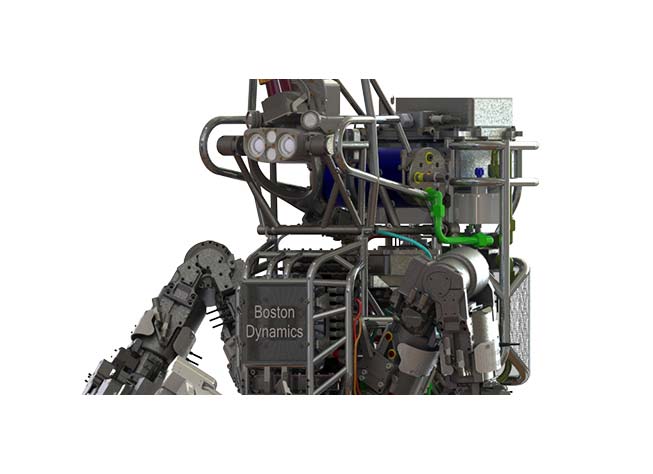
Context photograph: DARPA / historical Atlas image; reproduced unchanged.
Sources & evidence
Sources describe the announcements and evidence available when this analysis was published. Company claims are attributed; plans and trials are not treated as sustained operation.