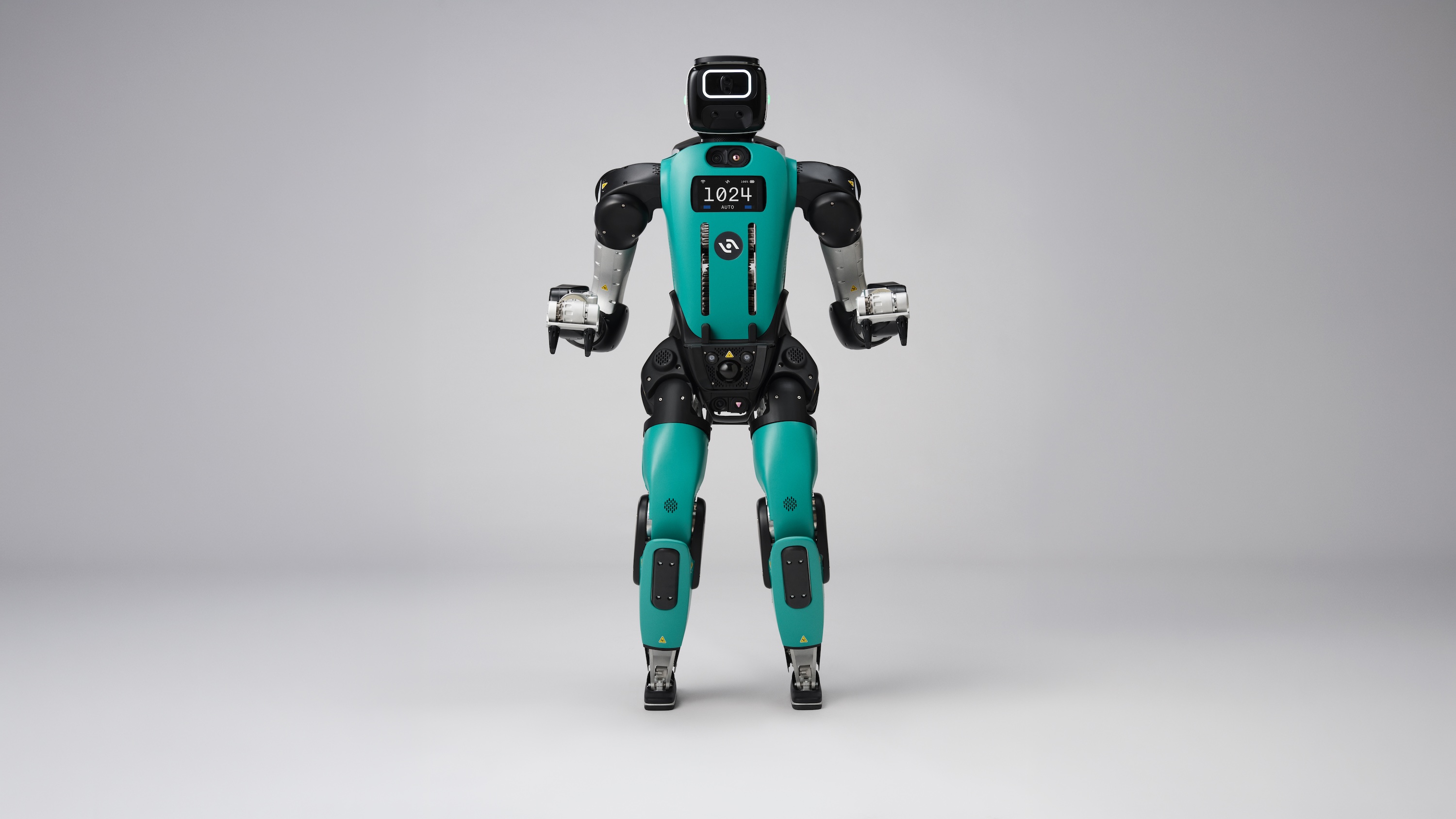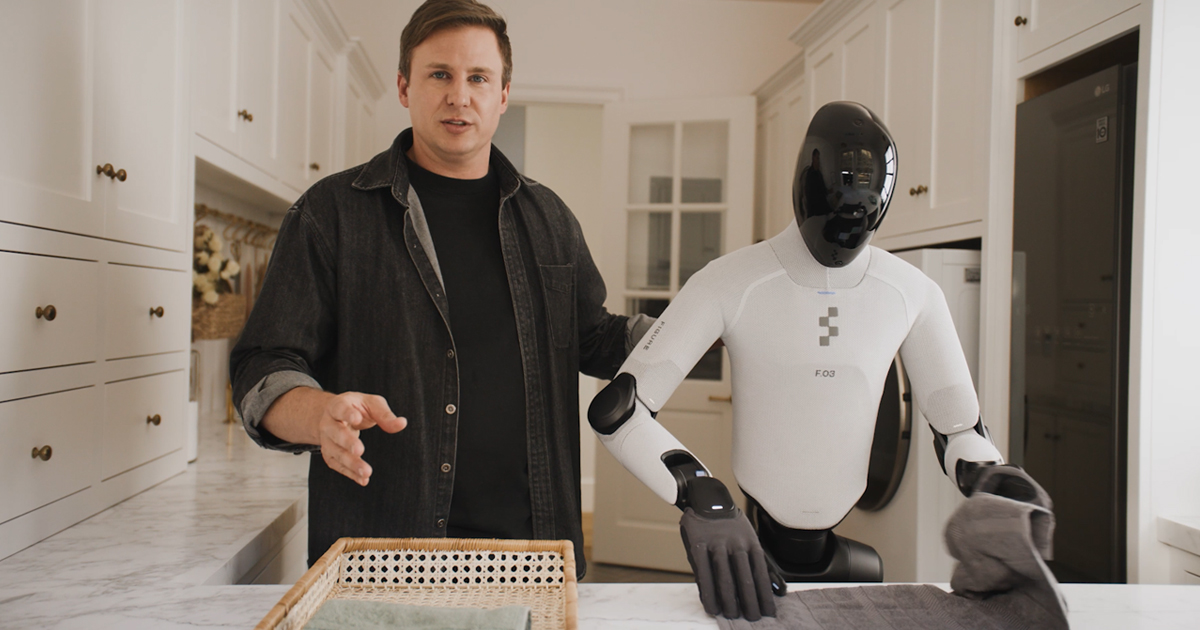
Three prominent humanoid stories in 2026 illustrate different kinds of evidence. Figure reported a Helix 2.5 evaluation in unfamiliar homes. Agility announced Digit 5 using experience from earlier commercial deployments. Boston Dynamics introduced the product Atlas at CES. Each is meaningful, but each answers a different question. Combining them into a single race toward a universal worker can obscure what has actually been demonstrated and what remains a plan. Helix 2.5 evaluation, September 17, 2026; Digit 5 announcement, September 15, 2026.
The demonstration method changes the claim
AP reported that the Atlas appearing on the CES stage was remotely piloted. That fact describes the public demonstration; it does not establish that the product is incapable of autonomy. Equally, a company-run autonomous evaluation is not the same as an independently measured customer deployment. A useful account identifies who ran the test, what assistance was permitted and which result was observed. Those details allow the reader to credit the actual achievement without importing a broader one. AP: Atlas at CES, January 5, 2026.
A product announcement answers questions about design, intended availability and the supplier's roadmap. A controlled evaluation can test a particular capability under stated conditions. A commercial deployment can reveal reliability and support requirements in a working environment. None is a complete substitute for the others. The strongest overall case develops through a sequence of evidence, with later results narrowing the uncertainties left by earlier milestones.
The denominator makes a performance number useful
A success percentage needs a definition of an attempt and a definition of completion. A task count needs a time period and an account of downtime. A claim of autonomy needs a description of human preparation and intervention. Without those details, two impressive numbers may refer to entirely different operating conditions. Even a long uninterrupted video leaves questions if the surrounding setup, resets or task selection are unknown. Transparency about those conditions makes the result more informative rather than less impressive.
The same applies to manufacturing claims. A factory's designed capacity, current production rate and delivered customer fleet are separate quantities. A company can make progress on one while the others remain limited. Similarly, an order can be conditional on future milestones. Reporting these categories precisely prevents a roadmap from being mistaken for installed capacity. The distinction is especially important in a sector where hardware, software and the customer workflow are all changing at once.
The next question should follow from the evidence
After a new manipulation demonstration, ask about task diversity and recovery. After a product release, ask about availability, support and validation. After a commercial deployment, ask about sustained quality, intervention burden and the realistic alternative. These are different questions because the evidence is at different stages. The humanoid sector does not need every result to prove everything. It needs a clear record of which uncertainty each result reduces. Reading Helix, Digit and Atlas this way produces a more useful picture of progress than treating every launch, pilot and video as a comparable unit of general intelligence.
Humanoid demonstrations can be technically impressive while leaving basic operational questions unanswered. A reader does not need to dismiss them to ask for precision. The useful approach is to identify exactly what was attempted, under which conditions, and how much of the surrounding work is visible. NIST's robotics programme develops performance measures and evaluation methods. NIST measurement science for robotics.
Ask what was actually measured
Begin with the unit of success. Is the claim about one action, a complete task or a sustained period of work? Then ask how attempts were selected and whether unsuccessful sequences are included. A carefully edited example can illustrate a capability without establishing how often it succeeds.
Next identify the source of the claim. A company announcement is evidence of what the company says; an operating partner's report adds another perspective; a repeatable evaluation can answer different questions again. These forms of evidence can complement one another without being treated as equivalent. BMW announced a Figure 03 logistics-sequencing project in June 2026. BMW's Figure 03 project announcement.
Keep the conclusion proportional
Assistance should be described in ordinary language. Readers need to know whether a person selected tasks, prepared objects, controlled motion or recovered the robot between attempts. The same applies to environmental limits. A successful result in a structured cell should not silently become a claim about arbitrary workplaces.
The final step is to keep the conclusion proportional. Evidence of progress on a defined task can be significant without proving general-purpose autonomy or an attractive business case. Clear reporting makes the achievement easier to appreciate because it separates what has been shown from the next questions that still need answers.
Image selection should follow the same discipline. A product rendering can illustrate a design, a laboratory photograph can show an experiment and a customer-site photograph can document a particular setting. None should silently stand in for the others. Honest captions help preserve the distinction between what exists, what was demonstrated and what has been deployed. In a visually compelling field, that small editorial choice can prevent a reader from drawing a much larger conclusion than the evidence supports.
Sources & evidence
This archive preserves its original editorial date. Sources describe the events and announcements discussed; they do not establish today’s status.