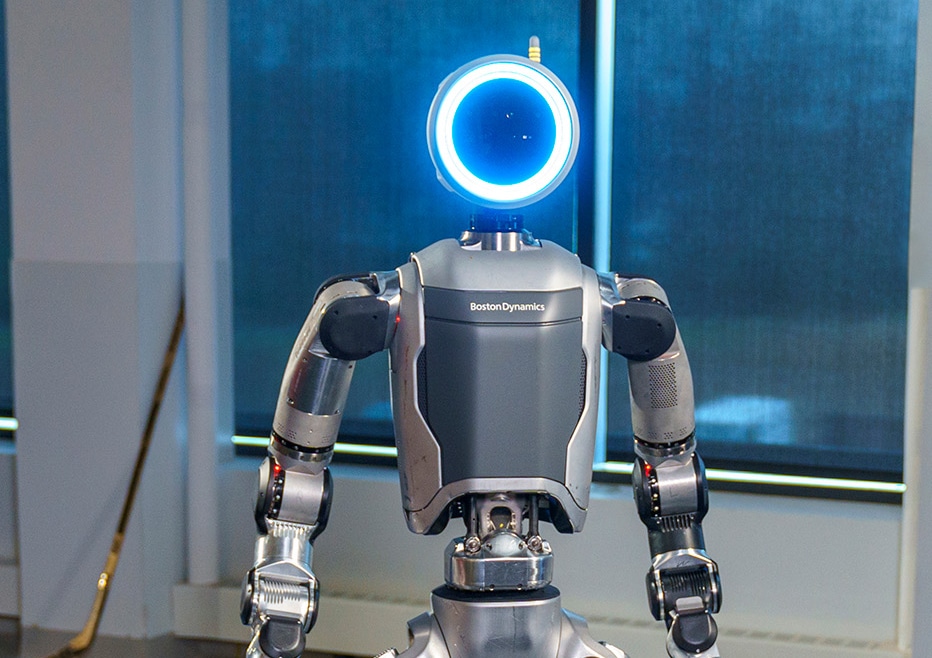
Boston Dynamics unveiled the product version of Atlas at CES on January 5, 2026, saying production would begin and initial fleets were scheduled for Hyundai's Robotics Metaplant Application Center and Google DeepMind. This changes the context of the electric Atlas introduced in 2024: the company is now describing a deliverable industrial product, not only a research platform. It does not, by itself, establish how the robot performs through a full production shift at a customer's site. Atlas product announcement, January 5, 2026.
A product launch is a specific milestone
The public demonstration and the product announcement need to be read separately. AP reported that an engineer remotely piloted the Atlas shown on the CES stage. That does not contradict a plan for autonomous industrial work; it identifies how that particular demonstration was conducted. The distinction matters because a fluid movement on stage is evidence of physical capability under those conditions, not an end-to-end demonstration of autonomous task selection, execution and recovery in a factory. AP: Atlas at CES, January 5, 2026.
Boston Dynamics also announced a partnership with Google DeepMind aimed at bringing foundation-model intelligence to humanoid robots. That creates a development path linking hardware and learning systems. It is not a finished catalogue of industrial skills. A factory task involves more than recognizing an object and reaching it: the robot must place it to the required tolerance, recognize an unsuccessful attempt and coordinate with the next process. Each of those requirements can expose a different limitation even when the robot's body is capable of the motion. Boston Dynamics and Google DeepMind partnership.
The factory asks different questions from the stage
In production, a robot's most important movement may be the one it makes after something goes wrong. A part can be presented incorrectly, a container can arrive late, or a grip can slip. The useful response is not always another attempt. Sometimes the robot needs to stop, preserve the state of the work and request help. That behavior has to be compatible with the people and machines nearby. The product's value depends on how often those exceptions occur and how much effort they require to resolve.
The hardware transition also changes the support question. Research teams can work closely with a prototype and revise it frequently. Industrial customers need maintainable equipment, identifiable replacement parts and a controlled relationship between software versions and validated behavior. A new actuator or sensor can improve performance while requiring a task to be checked again. The factory customer therefore buys a continuing service and change process alongside the physical machine. A product announcement is the beginning of that relationship, not its proof.
What would establish industrial maturity?
The most informative evidence would identify the actual task, the operating period, the number and type of interventions, and the quality of the completed work. It would distinguish time actively working from time available but idle, and planned maintenance from unexpected stoppages. Those details make comparison with existing automation possible. Atlas' move into product manufacturing is important because it creates the opportunity to gather such evidence outside the development laboratory. The implication for the humanoid sector is a shift in the burden of proof: impressive motion remains necessary, but repeatable useful work and recoverable failures become the decisive measures.
The shift to an electric humanoid is an engineering decision with operational consequences, not simply a new look for a familiar robot. For potential users, the useful question is how the body supports a repeatable task: reaching, carrying, recovering and returning to work under ordinary site conditions. Boston Dynamics introduced an all-electric Atlas in 2024. Boston Dynamics introduces electric Atlas.
Evaluate the job, not the silhouette
Hardware specifications become meaningful only in combination. Reach without a suitable grasp does not complete a handling task. A strong arm does not establish that the whole body can maintain a stable position while carrying a particular object. Evaluation should follow complete work cycles rather than isolating the most impressive motion.
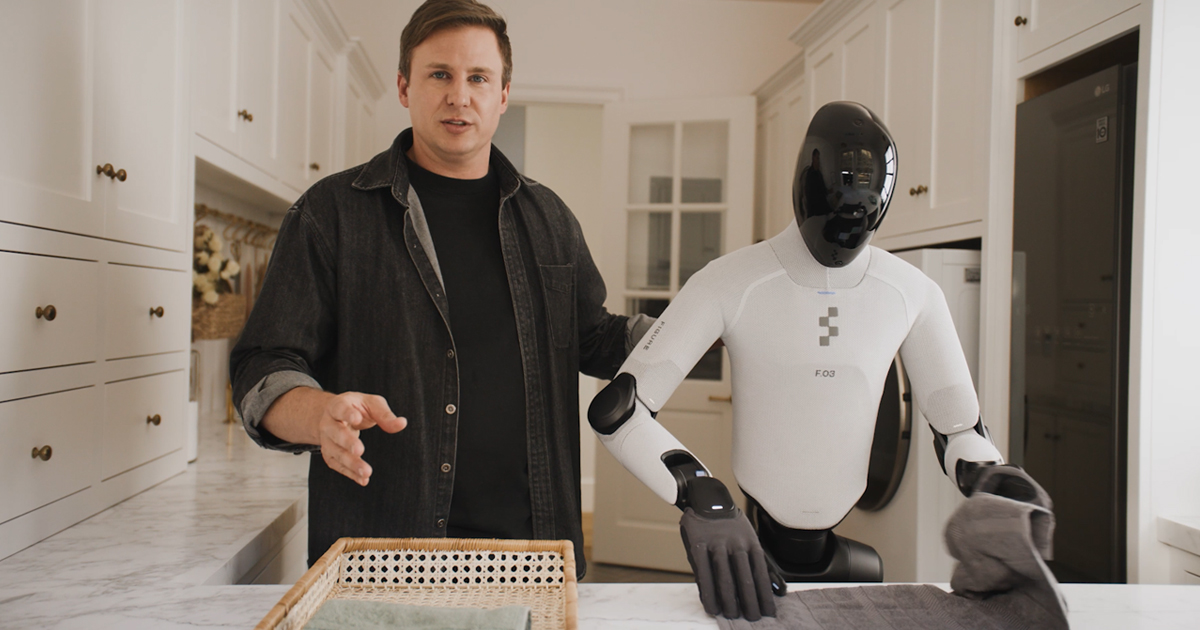
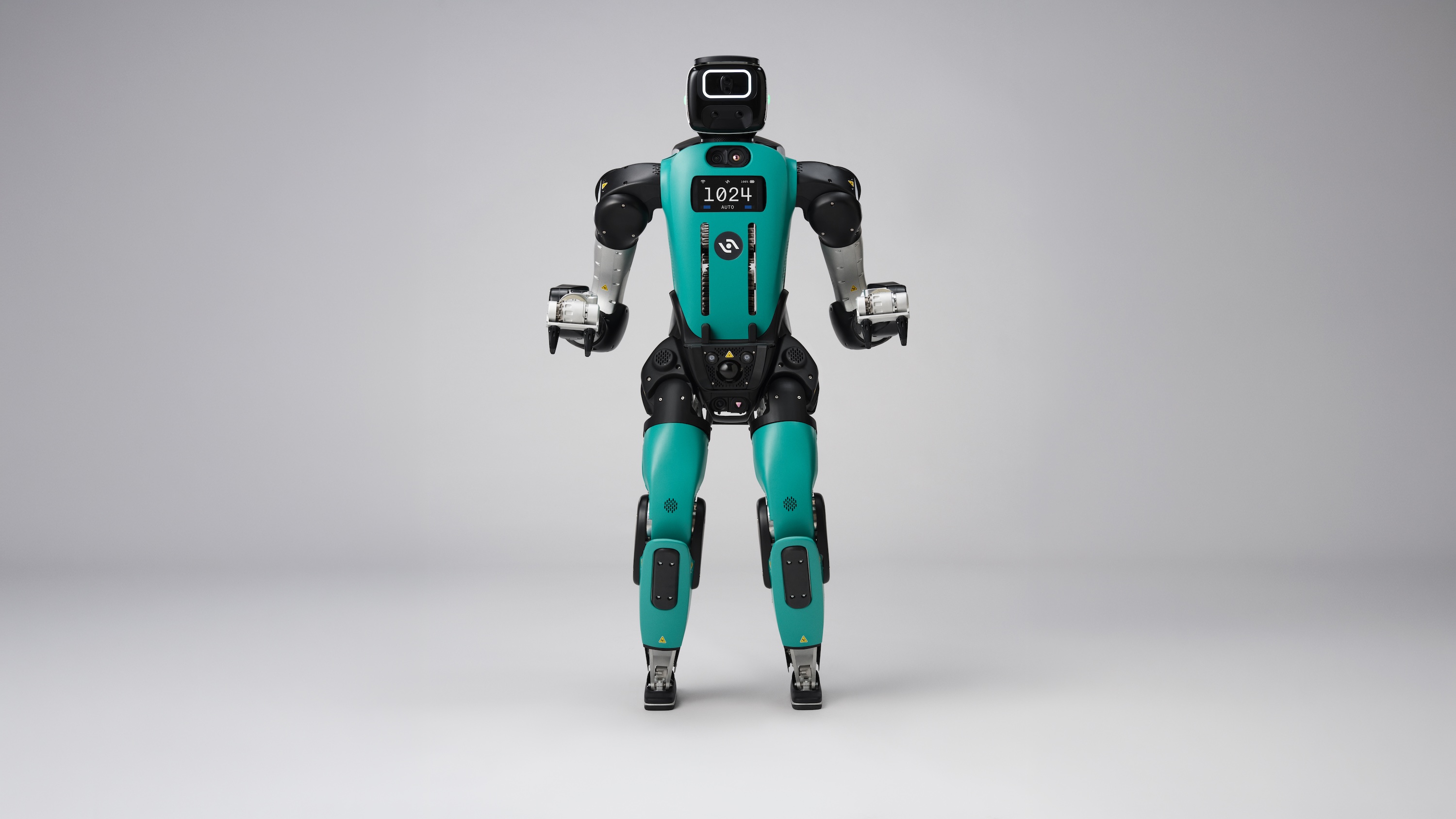
That approach also changes the way buyers interpret a successor model. A new platform may create opportunities for different applications, but those opportunities require their own evidence. An industrial trial at one workstation cannot establish readiness across an entire factory, let alone across unrelated workplaces. BMW announced a Figure 03 logistics-sequencing project in June 2026. BMW's Figure 03 project announcement.
Serviceability is a capability
Serviceability deserves a place beside performance. How is a worn component diagnosed, replaced and checked before operation resumes? Can site staff perform routine recovery, or does the machine depend on a visiting specialist? Those questions influence availability even when the robot performs beautifully during a short demonstration.
The next useful milestone for a humanoid platform is therefore a documented operating pattern: a defined task, known limits and a repeatable support process. That is the evidence that lets a buyer connect mechanical design to production needs, rather than treating a more humanlike appearance as proof of greater usefulness.
That standard also changes how an image should be read. A photograph of an earlier electric Atlas illustrates the development lineage, but it cannot document the configuration of a later production unit. Hardware generations should remain identifiable in captions and performance comparisons. Otherwise, a familiar robot name can hide substantial differences in actuators, sensing, maintainability and software. The product story is strongest when the reader can trace those changes without assuming that every capability shown by one generation has already been validated on the next.
Sources & evidence
This archive preserves its original editorial date. Sources describe the events and announcements discussed; they do not establish today’s status.